
If you select the correct saddlebag system, your luggage stays dry, your mounting points remain secure, and your riding routine stops requiring constant adjustments. Riders who prioritise function over catalogue aesthetics understand that motorcycle luggage must survive weather and mileage. The market offers throw-over saddlebags designed for cruiser and touring owners. These bags focus on waterproofing, fit, and mounting rather than styling. The decision rests on how you manage moisture exposure and how you secure the bag to your platform. Inner bags form the core of this category. They separate your equipment from the road environment. You evaluate them based on protection level and deployment method. The choice is straightforward when you align the specification with your riding pattern.
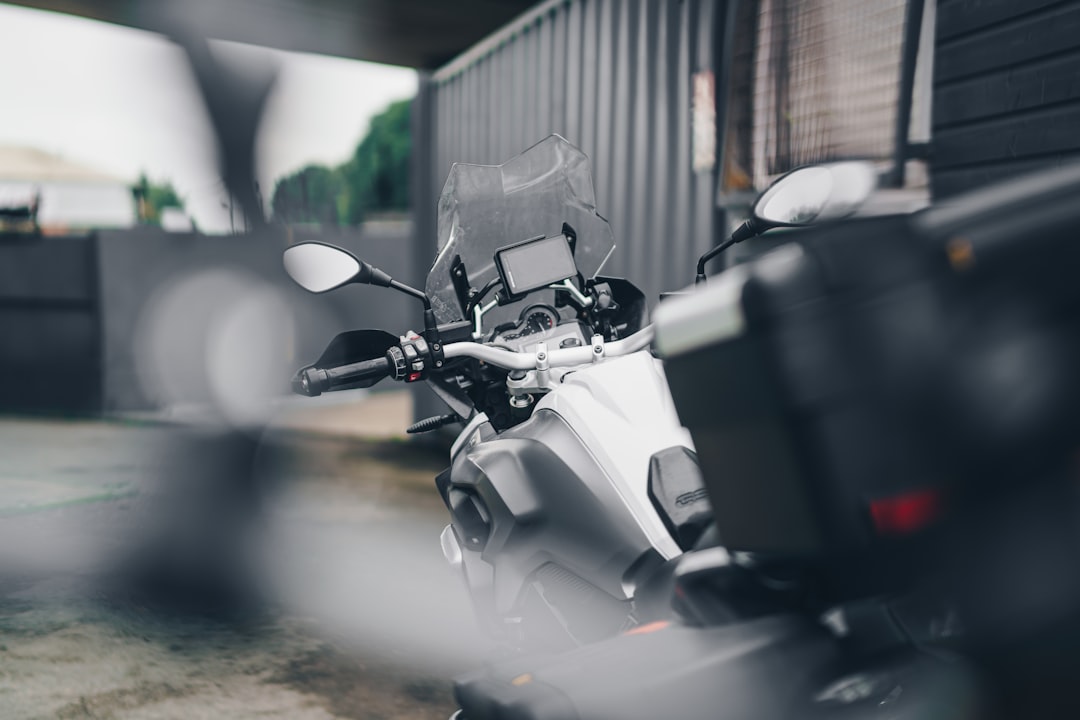
The honest framing of motorcycle pannier inner bags
Motorcycle pannier inner bags function as the primary barrier between your equipment and the elements. Riders buy throw-over saddlebags because the mounting system is simple and the fit is consistent. The design removes complexity from the luggage equation. You attach the bag to the pillion. You secure the throw-over mechanism. You load your gear. The inner bag contains the contents. It also manages the waterproofing requirement. Some riders expect the bag to repel moisture through its construction. Others accept that supplementary covers are necessary. The distinction matters when you ride through prolonged rain or cross long distances without shelter. Fit determines whether the bag shifts during acceleration or braking. Mounting hardware dictates how the bag sits on the frame. You check the attachment points. You verify the clearance. You confirm the bag does not interfere with the pillion seat or the rear wheel. Styling is secondary. The bag either works or it does not. You evaluate the product based on survival criteria. Weather and mileage define the standard. Catalogue photography does not. You read the specification. You match it to your route. You proceed with the purchase. The inner bag remains the focus. It holds the gear. It manages the moisture. It dictates the maintenance routine. Riders who understand this approach avoid unnecessary complications. They select the bag that matches their exposure. They secure it properly. They ride. The process is functional. It is not decorative. You get what the specification promises. You do not expect more. The category is clear. The choice is deliberate. There is a separate article on Waterproof luggage bags for motorcycles.
Categories explained for throw-over systems
The current product line divides into two distinct categories. Each category addresses the same requirement. Both use a throw-over design. Both target riders who care about waterproofing, fit, and mounting. The difference lies in the protection level and the deployment method. Enhanced+ (SPARTAN010, ASIN B0GYP4DTC5) presents as carbon black. It is water resistant. It ships with rain covers. The water resistant construction repels moisture under normal conditions. The included rain covers provide an additional barrier during heavy or prolonged exposure. You deploy the covers when the weather intensifies. You secure them over the bag. You continue riding. The system requires an extra step. It also offers flexibility. You can ride without the covers in dry conditions. You can deploy them when needed. Premium (SPARTAN009, ASIN B0FXYGRNHY) presents as premium black. It is waterproof by design. It requires no rain covers. The construction prevents water ingress without supplementary layers. You mount the bag. You secure the throw-over mechanism. You load your gear. You ride. The system removes a step from your routine. It also removes a potential failure point. The covers are not required. The protection is inherent. Both categories serve cruiser and touring owners. Both prioritise survival over styling. The choice depends on how you manage your routine. You either accept the extra step of deploying covers, or you prefer the inherent protection of a waterproof design. The specification is clear. The functionality is defined. You select the category that matches your exposure. You proceed with the purchase. The inner bag remains the focus. It holds the gear. It manages the moisture. It dictates the maintenance routine. Riders who understand this approach avoid unnecessary complications. They select the bag that matches their exposure. They secure it properly. They ride. The process is functional. It is not decorative. You get what the specification promises. You do not expect more. The category is clear. The choice is deliberate.
Specification table for comparison
The following table outlines the available models. It reflects the current product line. It contains only the supplied facts. No additional claims are made. The table serves as a reference. You compare the models side by side. You identify the differences. You select the appropriate model.
Model | ASIN | Colour | Protection level | Rain cover requirement
Enhanced+ | SPARTAN010 | B0GYP4DTC5 | carbon black | water resistant | ships with rain covers
Premium | SPARTAN009 | B0FXYGRNHY | premium black | waterproof by design | no rain covers required
The table presents the data. You read it. You match it to your needs. The protection level dictates the deployment method. The rain cover requirement dictates the routine. You check the colour. You verify the ASIN. You confirm the model name. The information is complete. You proceed with the evaluation. The inner bag remains the focus. It holds the gear. It manages the moisture. It dictates the maintenance routine. Riders who understand this approach avoid unnecessary complications. They select the bag that matches their exposure. They secure it properly. They ride. The process is functional. It is not decorative. You get what the specification promises. You do not expect more. The category is clear. The choice is deliberate.
Picking one for your motorcycle
You pick the correct model by aligning the specification with your riding pattern. You assess your typical weather exposure. You evaluate your route duration. You check your mounting points. You verify the throw-over fit. You confirm the protection level matches your routine. If you ride in consistent rain or cross long distances without shelter, the waterproof design removes a step from your routine. You mount the bag. You secure the throw-over mechanism. You load your gear. You ride. The protection is inherent. The covers are not required. You prioritise simplicity. You accept the specification. You proceed with the purchase. If you prefer a lighter initial setup or ride in variable conditions where a cover is easy to deploy, the water resistant model with included covers works. You mount the bag. You secure the throw-over mechanism. You load your gear. You deploy the covers when needed. You remove them when conditions improve. You prioritise flexibility. You accept the specification. You proceed with the purchase. Both models fit cruiser and touring platforms. Both address the core requirement of dry luggage. Both use a throw-over design. Both prioritise survival over styling. You check the mounting points. You verify the fit. You confirm the protection level. The decision is straightforward once you align the product specification with your riding pattern. The inner bag remains the focus. It holds the gear. It manages the moisture. It dictates the maintenance routine. Riders who understand this approach avoid unnecessary complications. They select the bag that matches their exposure. They secure it properly. They ride. The process is functional. It is not decorative. You get what the specification promises. You do not expect more. The category is clear. The choice is deliberate.